
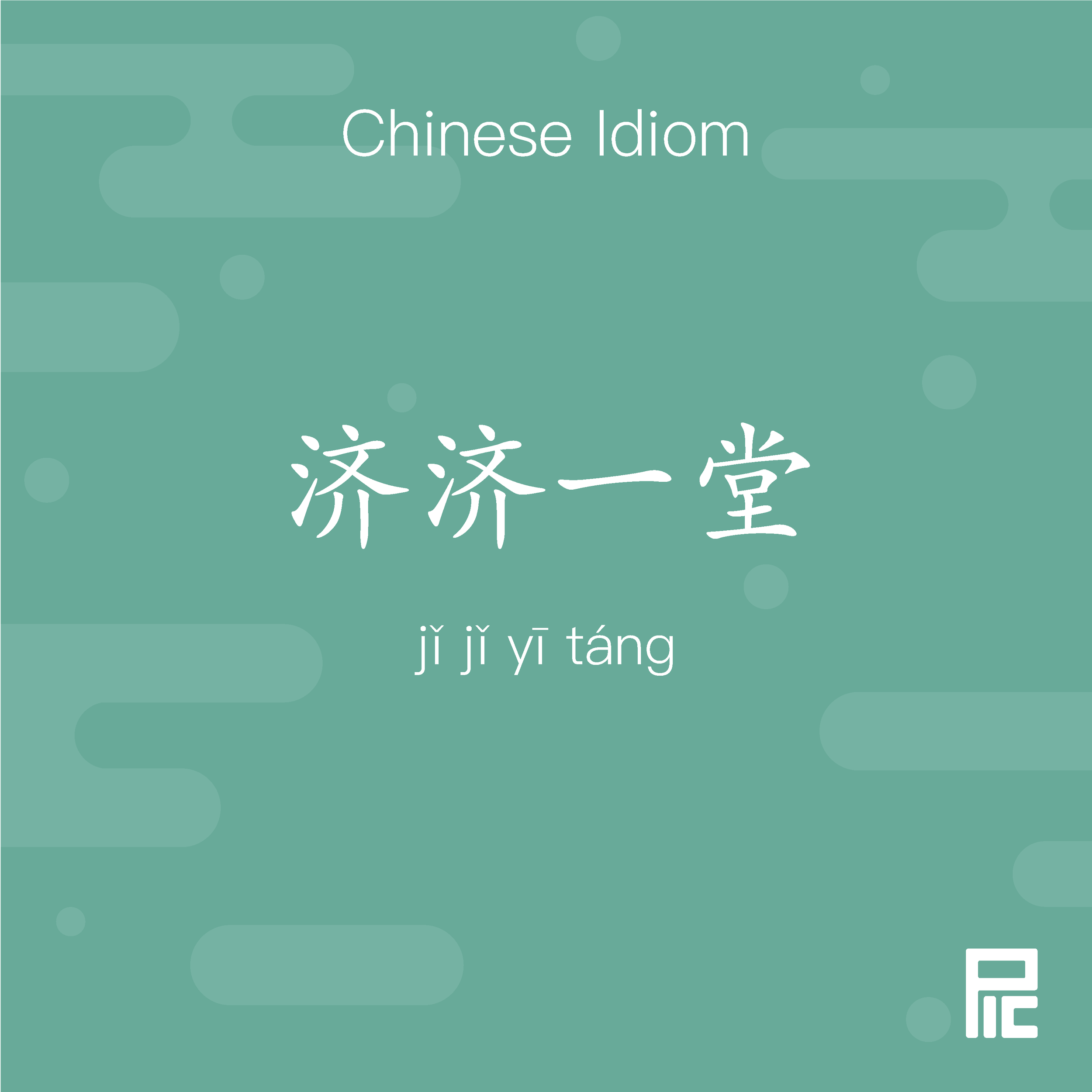
Chinese Idiom 70
济济一堂:
Meaning: A grand assembly or gathering of many distinguished individuals.
Explanation: Describes a scene where many talented and prominent people are gathered together in one place.

Chinese Idiom 69
虎头蛇尾:
Meaning: Starts strong but ends weakly or disappointingly.
Explanation: Literally "tiger's head, snake's tail," it describes efforts or projects that begin with great momentum but fail to sustain it.

Chinese Idiom 68
光阴似箭:
Meaning: Time flies like an arrow.
Explanation: This idiom emphasizes how quickly time passes, urging people to make the most of it.

Chinese Idiom 67
坐井观天:
Meaning: Having a narrow or limited perspective.
Explanation: Literally "sitting in a well and looking at the sky," it means to have a limited view of the world due to a confined perspective.

Chinese Idiom 66
自相矛盾:
Meaning: Self-contradictory.
Explanation: Describes a situation where one's actions or statements are inconsistent or conflicting, originating from a story about a merchant who boasted both the invincibility of his shield and the penetrative power of his spear.

Chinese Idiom 65
纸上谈兵:
Meaning: Unrealistic or impractical ideas, especially in strategy.
Explanation: Literally "discussing military tactics on paper," it warns against plans that look good on paper but are unworkable in practice.

Chinese Idiom 64
张灯结彩:
Meaning: Decorate festively.
Explanation: Literally "hang lanterns and festoons," it describes the decorations during celebrations, indicating a festive atmosphere.

Chinese Idiom 63
远交近攻:
Meaning: Make alliances with distant states and attack nearby ones.
Explanation: A strategic approach in diplomacy and conflict, this idiom emphasises the benefits of allying with distant powers while focusing on local conquests.

Chinese Idiom 62
迎刃而解:
Meaning: Solve a problem easily once the main point is addressed.
Explanation: Literally "to resolve upon encountering the edge of a blade," it means that once the crucial issue is tackled, the rest falls into place.

Chinese Idiom 61
雪中送炭:
Meaning: Providing timely help or support.
Explanation: Literally "sending charcoal in the snow," it signifies giving help when it is most needed and appreciated.

Chinese Idiom 60
幸灾乐祸:
Meaning: Rejoicing at another's misfortune.
Explanation: This idiom describes the schadenfreude of taking pleasure in someone else's troubles or failures.

Chinese Idiom 59
相见恨晚:
Meaning: Regret of not meeting someone earlier.
Explanation: Literally "hate to meet so late," it expresses the sentiment of wishing one had met someone much earlier in life.

Chinese Idiom 58
万紫千红:
Meaning: A scene full of vibrant colours.
Explanation: Describes the beauty of spring with thousands of purples and hundreds of reds, symbolising a multitude of beautiful things.

Chinese Idiom 57
天长地久:
Meaning: Everlasting and enduring.
Explanation: Literally "as long as heaven and earth," it signifies something that will last forever, often used to describe eternal love or friendship.

Chinese Idiom 56
千钧一发:
Meaning: A situation of extreme danger or a critical moment.
Explanation: Describes the precariousness of a thousand units of weight hanging by a single hair, highlighting a situation where disaster is imminent.

Chinese Idiom 55
青出于蓝:
Meaning: The student surpasses the master.
Explanation: Meaning "blue comes from indigo," it suggests that new generations often exceed the achievements of their predecessors.
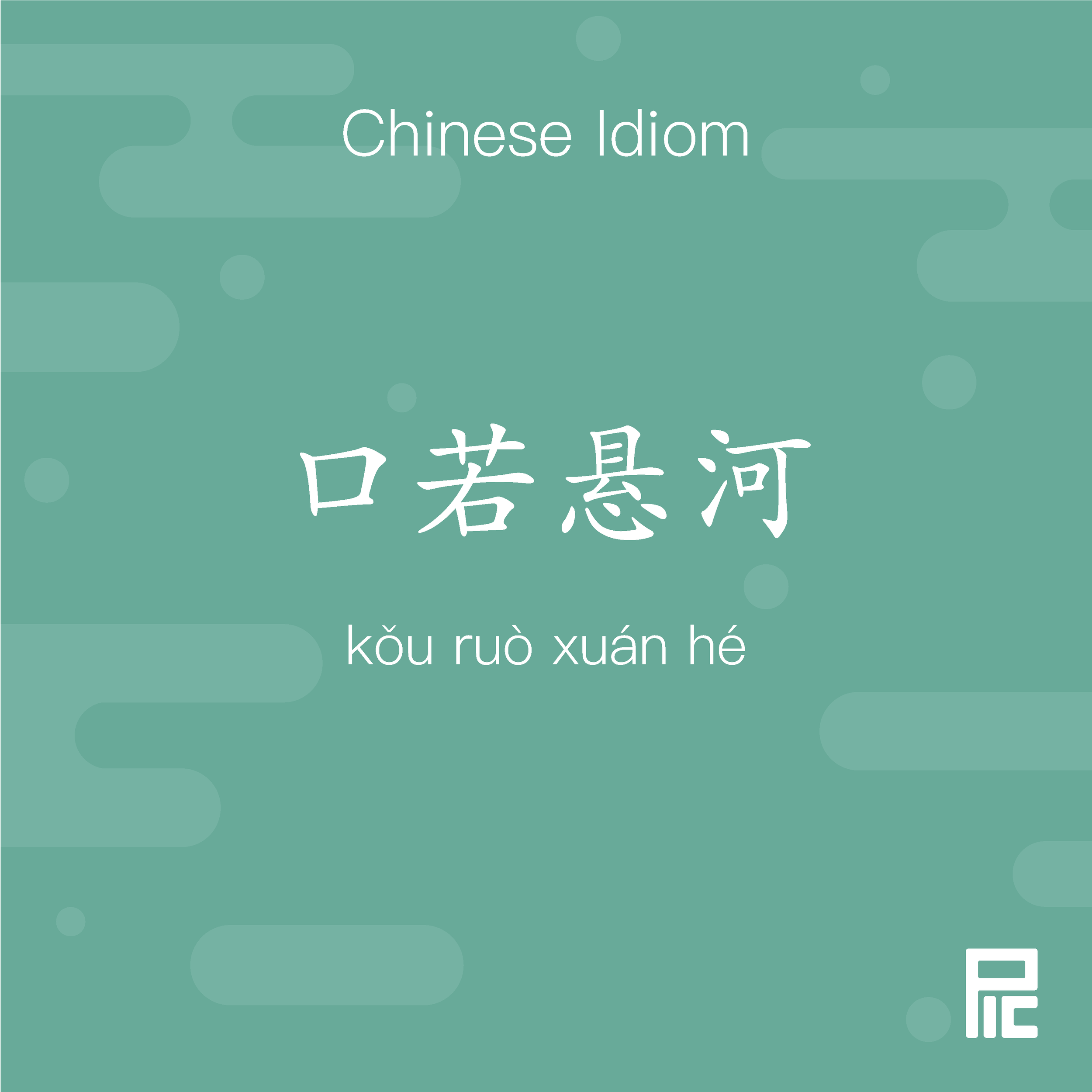
Chinese Idiom 54
口若悬河:
Meaning: Speaking eloquently and at length.
Explanation: This idiom likens fluent and continuous speech to a running river, emphasising eloquence and verbosity.

Chinese Idiom 53
金玉良言:
Meaning: Valuable and wise advice.
Explanation: Literally "gold and jade good words," it highlights the preciousness of good advice or wise counsel.

Chinese Idiom 52
鸡飞狗跳:
Meaning: A chaotic or turbulent situation.
Explanation: Describing a scene where chickens are flying and dogs are jumping, this idiom vividly illustrates disorder and commotion.

Chinese Idiom 51
花好月圆:
Meaning: Time of happiness and harmony.
Explanation: Often used to wish for marital bliss, this idiom describes an idyllic scene where flowers are in bloom and the moon is full, symbolizing perfection and joy.